

The AI Model Wars: OpenAI, Google, Anthropic, Meta, xAI, and the Race for Intelligence
OpenAI, Google DeepMind, Anthropic, Meta, xAI, and Mistral are all racing to build the most capable, safest, and most useful AI models. Here is who the major players are, what each company is optimizing for, and what the competition actually means for how AI develops.
The Major AI Companies Explained: Who’s Building What
The AI industry includes model labs, cloud providers, chipmakers, open-source platforms, enterprise software companies, and consumer AI players. This article maps the major AI companies and explains what each one is building.
Open Models vs. Closed Models: What’s the Difference and Why It Matters
Open and closed AI models give users different levels of access, control, transparency, and flexibility. This article explains the difference between open-source, open-weight, and closed models, and why the distinction matters for developers, businesses, and regulation.
AI and Energy Use: Why Artificial Intelligence Needs So Much Power
Training a single large AI model can consume as much electricity as hundreds of homes use in a year. Here is why AI uses so much energy, where that energy actually goes, how it compares to other technologies, and what companies and policymakers are doing about it.

AI Data Centers Explained: The Infrastructure Behind the AI Boom
AI models do not live in an abstract cloud. They live in physical buildings full of specialized hardware, drawing enormous amounts of electricity and water. Here is how AI data centers work, what makes them different from regular data centers, and why they have become a geopolitical and environmental flashpoint.
What Is Compute in AI? Why Power, Chips, and Data Centers Matter
Compute is the physical infrastructure behind AI — chips, data centers, electricity, and cloud platforms. Learn what compute means, why AI needs so much of it, and why it is at the center of the AI race.
The AI Infrastructure Stack Explained: Models, Chips, Data, Cloud, and Apps
AI is not just models. It is a layered technology infrastructure that runs from physical chips and data centers at the bottom to AI assistants and agents at the top. Here is how all 10 layers of the AI stack fit together — and why each layer matters.
China’s AI Ecosystem Explained: DeepSeek, Baidu, Alibaba, Tencent, and the Race for AI Self-Reliance
China's AI ecosystem is large, fast-moving, and increasingly influential. DeepSeek, Baidu, Alibaba, Tencent, ByteDance, Huawei, and dozens of well-funded startups are all competing — under different constraints than Western players but with significant scale. Here is how it works.
The Business of AI: How AI Companies Actually Make Money
AI companies make money in many different ways — subscriptions, API usage, enterprise contracts, cloud compute, chips, ads, and model licensing. Here is how the business of AI actually works, which models are most profitable, and what the unit economics problem under the hype really is.
The Open AI Movement: Who’s Building AI for Everyone and Why It Matters
The open AI movement is making powerful AI models available to developers, researchers, and companies without requiring API subscriptions or proprietary agreements. Meta, Mistral, Hugging Face, DeepSeek, and others are driving it. Here is what it is, who is behind it, and why it matters.
The People Shaping AI’s Future: Altman, Musk, Hassabis, Amodei, Huang, Nadella, Zuckerberg, and More.
AI is not building itself. Learn who is shaping artificial intelligence — from Sam Altman and Elon Musk to Demis Hassabis, Dario Amodei, Jensen Huang, and the researchers and policymakers behind the scenes.

The EU AI Act Explained: How Europe Is Regulating Artificial Intelligence
The EU AI Act is the world's first comprehensive AI regulation, taking a risk-based approach that bans some AI uses entirely, places strict requirements on high-risk applications, and has lighter requirements for general-purpose AI. Here is how it works and what it means for businesses globally.
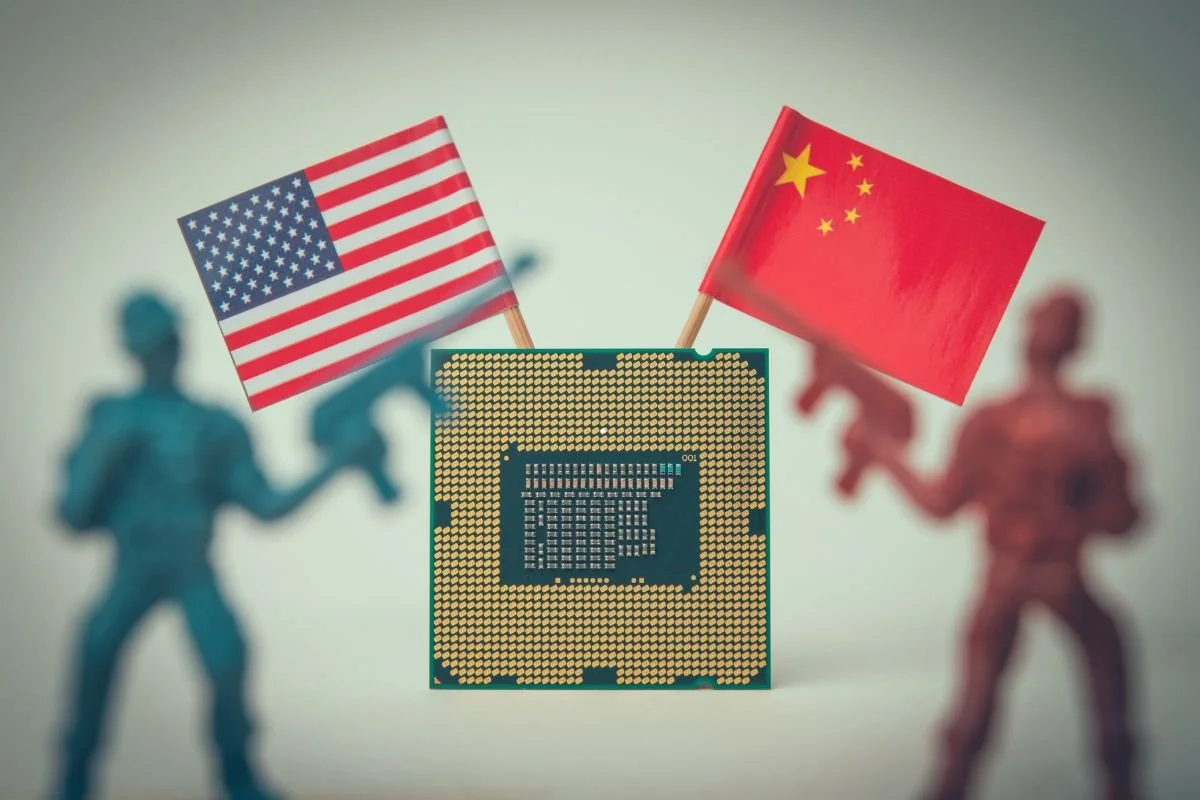
The U.S. vs. China AI Race: Who’s Winning, Where China Is Catching Up, and Why It Matters
The U.S. vs. China AI race is about chips, frontier models, data, talent, and global influence. Learn where each country leads, where the gaps are, and why the competition matters.
Microsoft Copilot Explained: How Microsoft Embedded AI Into Everything
Microsoft embedded AI into Word, Excel, Teams, Outlook, Windows, GitHub, and Azure through a product called Copilot — powered by its massive investment in OpenAI. Here is how Microsoft's AI strategy works, what Copilot actually does, and how Microsoft got to the center of enterprise AI.
Meta AI Explained: How Facebook’s Parent Company Is Betting Big on Open-Weight AI
Meta is building AI into Facebook, Instagram, WhatsApp, and Messenger while making its Llama models available as open-weight releases that developers worldwide can download and use. Here is how Meta's AI strategy works, what Llama is, and what the open-weight bet means for the industry.
Anthropic Explained: Claude, AI Safety, and the Company Building AI More Carefully
Anthropic builds Claude and is one of the leading AI safety companies in the world. Learn what Anthropic does, how Claude works, what Constitutional AI means, and where the company fits in the AI industry.
DeepMind & Gemini: How Google Is Competing in the AI Race
Google DeepMind is the research lab behind Gemini — Google's AI model family. But Google's AI reach goes far beyond one model: Gemini is embedded in Search, Workspace, Android, Chrome, and Google Cloud. Here is how Google DeepMind works and how Google is competing in the AI race.
How to Keep Up With AI News Without Drowning in Hype
AI moves fast, but not every headline deserves your attention. Learn how to follow AI news in a way that keeps you informed, grounded, and focused on what actually matters for your work, goals, and life.
How to Create Your Own AI Learning Routine
Learning AI does not require hours of study every day. A useful AI learning routine helps you build practical skills through small, consistent habits, real tasks, and regular reflection. Here is how to create one that actually sticks.
How to Build Your Personal AI Toolkit
A personal AI toolkit helps you choose the right tools for the way you work, learn, create, organize, and make decisions. This guide shows you how to build a focused AI stack without collecting tools you never use.