

What Is Fine-Tuning? How AI Models Are Customized for Specific Tasks
Fine-tuning customizes an existing AI model for a more specific task, tone, domain, or workflow. This article explains how fine-tuning works, when it makes sense, and why it can improve AI performance for specialized use cases.
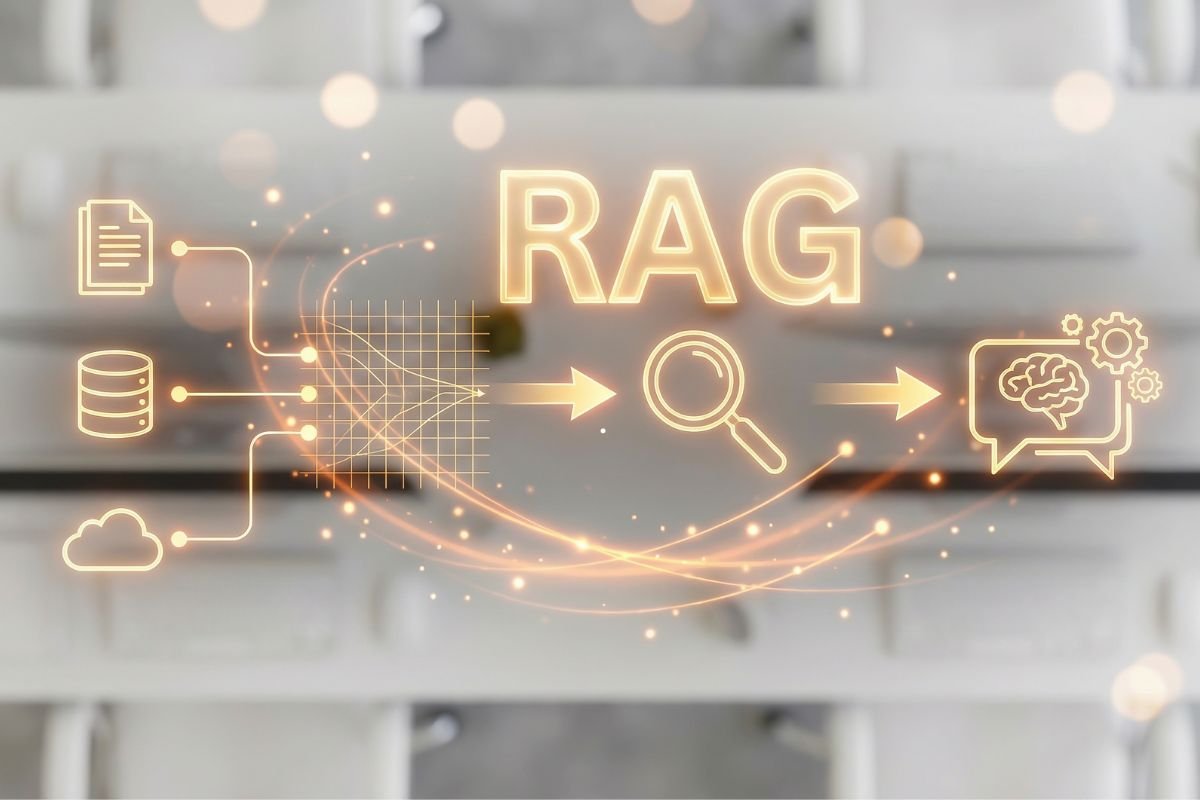
What Is Retrieval-Augmented Generation (RAG)
Retrieval-augmented generation helps AI answer using external information instead of relying only on what it learned during training. This article explains how RAG works and why it matters for chatbots, knowledge bases, and business AI tools.
What Is a Copilot? How AI Assistants Are Showing Up in Everyday Tools
Copilots are AI assistants built into the tools people already use, from work apps to coding platforms. This article explains what copilots are, how they help, and why they are becoming part of everyday software.
What Is a Chatbot? The Beginner’s Guide to AI Conversations
Chatbots are one of the most familiar ways people interact with AI. This article explains what chatbots are, how they work, what makes AI chatbots different, and where they show up in everyday life.
What Makes AI Different From Google Search?
AI tools and Google Search both help people find information, but they work differently. This article explains how search engines retrieve links while AI systems generate, summarize, reason, and respond conversationally.
The Difference Between AI, Automation, Algorithms, and Software
AI, automation, algorithms, and software are related, but they are not the same thing. This article explains the differences in plain English so readers can understand what makes AI distinct from older technology.

Why Everyone Needs to Learn AI Now
AI is no longer a niche technology reserved for engineers and researchers. It is part of everyday work, education, creativity, and decision-making. Here is why learning AI matters now — and what you actually need to start.
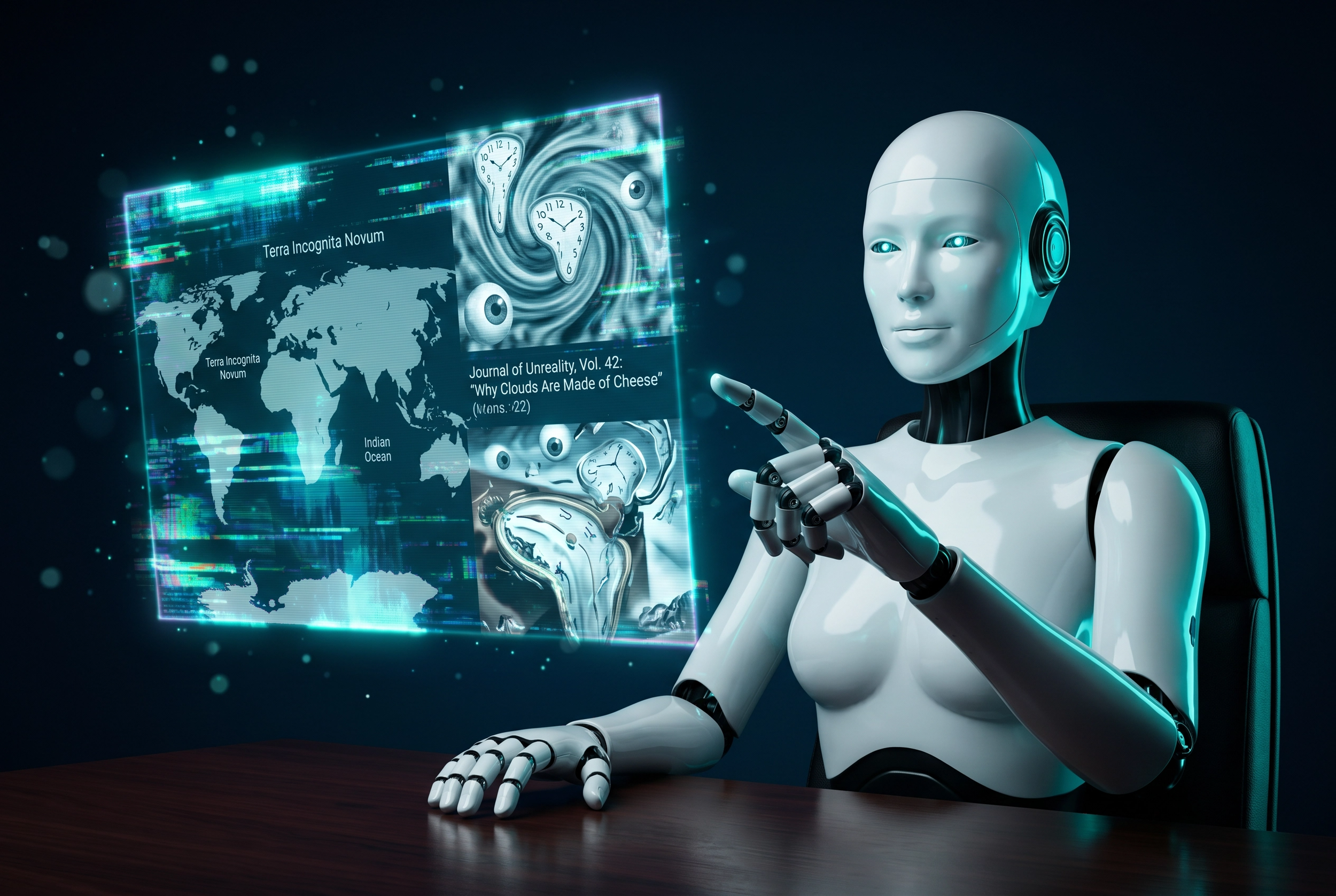
AI Hallucinations: Why AI Makes Things Up and What to Do About It
AI hallucinations happen when AI produces incorrect or unsupported information with confidence. This article explains why hallucinations happen, why they matter, and how users can spot, reduce, and fact-check them.
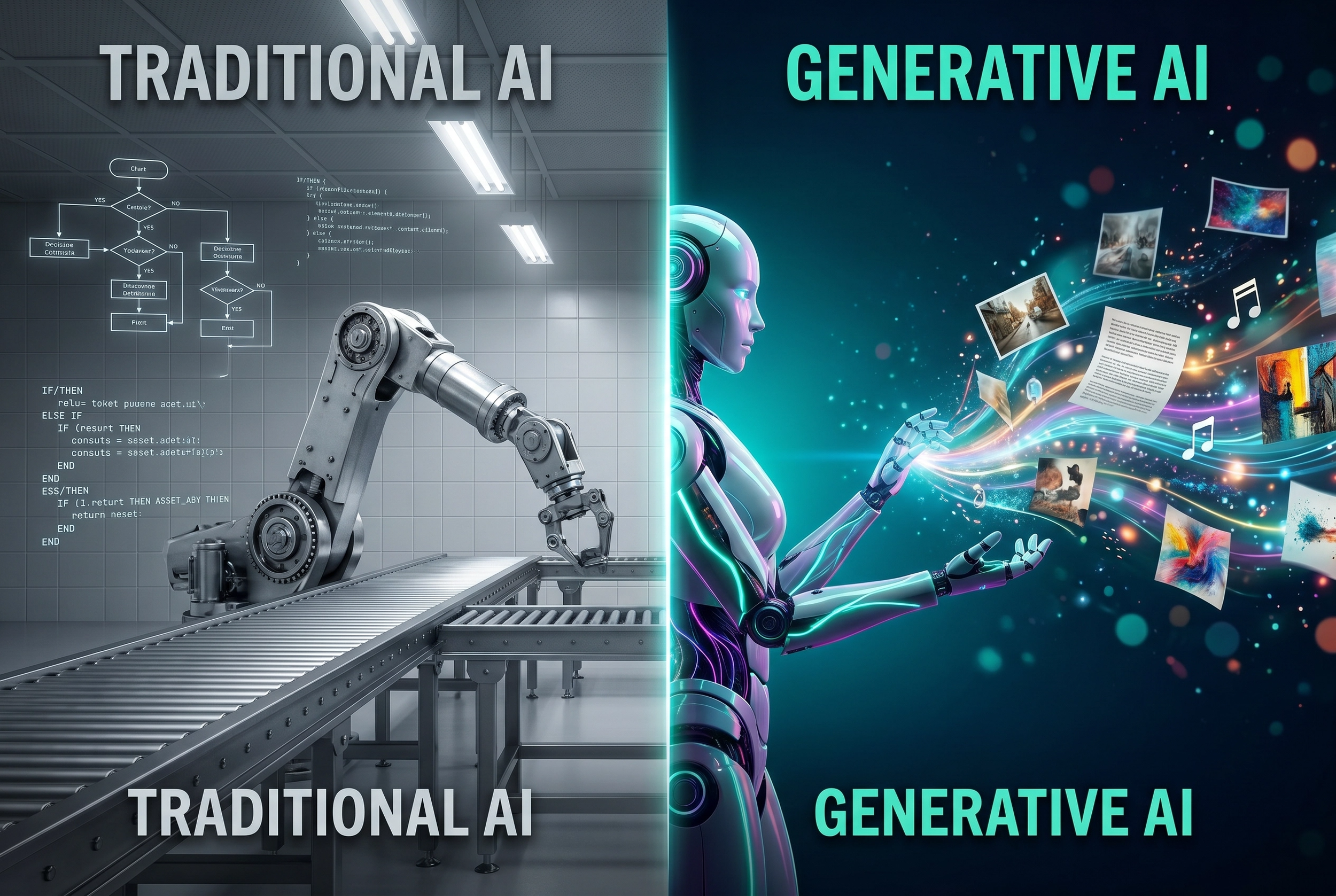
Generative AI vs. Traditional AI: What’s the Difference?
Traditional AI and generative AI are related, but they do different things. This article explains how traditional AI analyzes, predicts, and classifies, while generative AI creates text, images, code, audio, and more.
What AI Can Do: The Real Capabilities Behind the Hype
AI is powerful, but it’s not omniscient, consistent, or accountable. This article breaks down the real limitations of AI, including where it fails, why it hallucinates, and what it can’t reliably do.
Corporate AI Governance and Accountability: Internal Frameworks, Audits, and Liability
Explore the global AI governance landscape, from the EU AI Act to the divergent approaches of the US and China, and the challenge of regulating a technology that outpaces law.
AI Governance & Regulation: The Global AI Policy Landscape and the Challenges
Explore the global AI governance landscape, from the EU AI Act to the divergent approaches of the US and China, and the challenge of regulating a technology that outpaces law.
AI, Democracy & Geopolitics: Propaganda, Power, and the New Arms Race
Explore how AI is fueling a new geopolitical arms race, threatening democratic institutions with propaganda and disinformation, and reshaping global power dynamics.
The Environmental Cost of AI: Energy, Water, and Carbon Footprint
Uncover the hidden environmental impact of artificial intelligence, from the massive energy and water consumption of data centers to the growing crisis of AI-driven e-waste.
AI, Work & Labor: Automation, Exploitation, and Who Gets Augmented vs Replaced
Learn how AI is concentrating power in the hands of a few tech giants through data monopolies, the compute gap, and a talent flywheel, and what it means for the future.
Concentration of Power: Big Tech, Data Monopolies, and the Compute Gap
Learn how AI is concentrating power in the hands of a few tech giants through data monopolies, the compute gap, and a talent flywheel, and what it means for the future.
AI & Misinformation: Deepfakes, Bots, and the Information War
Discover how AI is supercharging surveillance in both the physical and digital worlds, from facial recognition and smart cameras to data brokers and inferential tracking.