

Apple Intelligence Explained: How Apple Is Bringing AI to Everyday Devices
Apple Intelligence brings AI into iPhones, iPads, Macs, and Apple’s broader device ecosystem. This article explains Apple’s on-device AI strategy, privacy positioning, assistant upgrades, and why Apple’s AI play is different from chatbot-first companies.
xAI and Grok Explained: Elon Musk’s AI Company and What It’s Building
xAI is Elon Musk’s AI company behind Grok, an AI assistant connected to X and positioned around real-time information, personality, and model development. This article explains what xAI is building and how it fits into Musk’s broader technology ecosystem.
The AI Model Wars: OpenAI, Google, Anthropic, Meta, xAI, and the Race for Intelligence
The AI model wars are the competition to build the most capable, useful, efficient, and widely adopted AI systems. This article compares the major model builders and explains how the race is evolving across reasoning, multimodal AI, agents, and open models.
The Major AI Companies Explained: Who’s Building What
The AI industry includes model labs, cloud providers, chipmakers, open-source platforms, enterprise software companies, and consumer AI players. This article maps the major AI companies and explains what each one is building.
Open Models vs. Closed Models: What’s the Difference and Why It Matters
Open and closed AI models give users different levels of access, control, transparency, and flexibility. This article explains the difference between open-source, open-weight, and closed models, and why the distinction matters for developers, businesses, and regulation.
AI and Energy Use: Why Artificial Intelligence Needs So Much Power
AI systems consume large amounts of electricity because training and running models requires massive compute. This article explains why AI uses so much power, how data centers affect the grid, and what the energy debate means for the future of AI.

AI Data Centers Explained: The Infrastructure Behind the AI Boom
AI data centers are the physical infrastructure behind modern AI, packed with chips, servers, memory, networking, power systems, and cooling. This article explains how AI data centers work and why they are becoming central to the AI economy.
What Is Compute in AI? Why Power, Chips, and Data Centers Matter
Compute is the processing power required to train and run AI systems. This article explains why compute matters, how chips and data centers shape AI progress, and why access to compute has become a major competitive advantage.
The AI Infrastructure Stack Explained: Models, Chips, Data, Cloud, and Apps
AI runs on a full infrastructure stack, not just one chatbot. This article explains the layers behind AI, including foundation models, chips, data centers, cloud platforms, APIs, apps, and enterprise deployment.
China’s AI Ecosystem Explained: DeepSeek, Baidu, Alibaba, Tencent, and the Race for AI Self-Reliance
China’s AI ecosystem includes model labs, cloud giants, chipmakers, government strategy, startups, and domestic alternatives to U.S. technology. This article explains the major Chinese AI players, why DeepSeek matters, and how China is building AI self-reliance.
The Business of AI: How AI Companies Actually Make Money
AI companies make money through subscriptions, APIs, cloud usage, enterprise contracts, chips, ads, licensing, data partnerships, and developer platforms. This article explains the business models behind AI and why profitability is more complicated than the hype suggests.
The Open AI Movement: Who’s Building AI for Everyone and Why It Matters
The open AI movement is challenging the idea that powerful AI should be controlled only by closed labs. This article explains open-source and open-weight AI, why developers care, who is building open models, and what openness means for the future of AI.
The People Shaping AI’s Future: Altman, Musk, Hassabis, Amodei, Huang, Nadella, Zuckerberg, and More.
AI is being shaped by powerful founders, researchers, executives, investors, and public figures. This article explains the major people influencing AI’s direction, from Sam Altman and Elon Musk to leaders at Google, Anthropic, Meta, Nvidia, Microsoft, and beyond.

The EU AI Act Explained: How Europe Is Regulating Artificial Intelligence
The EU AI Act is one of the world’s most important AI laws, creating a risk-based framework for regulating artificial intelligence. This article explains how the law works, what it covers, who it affects, and why it matters beyond Europe.
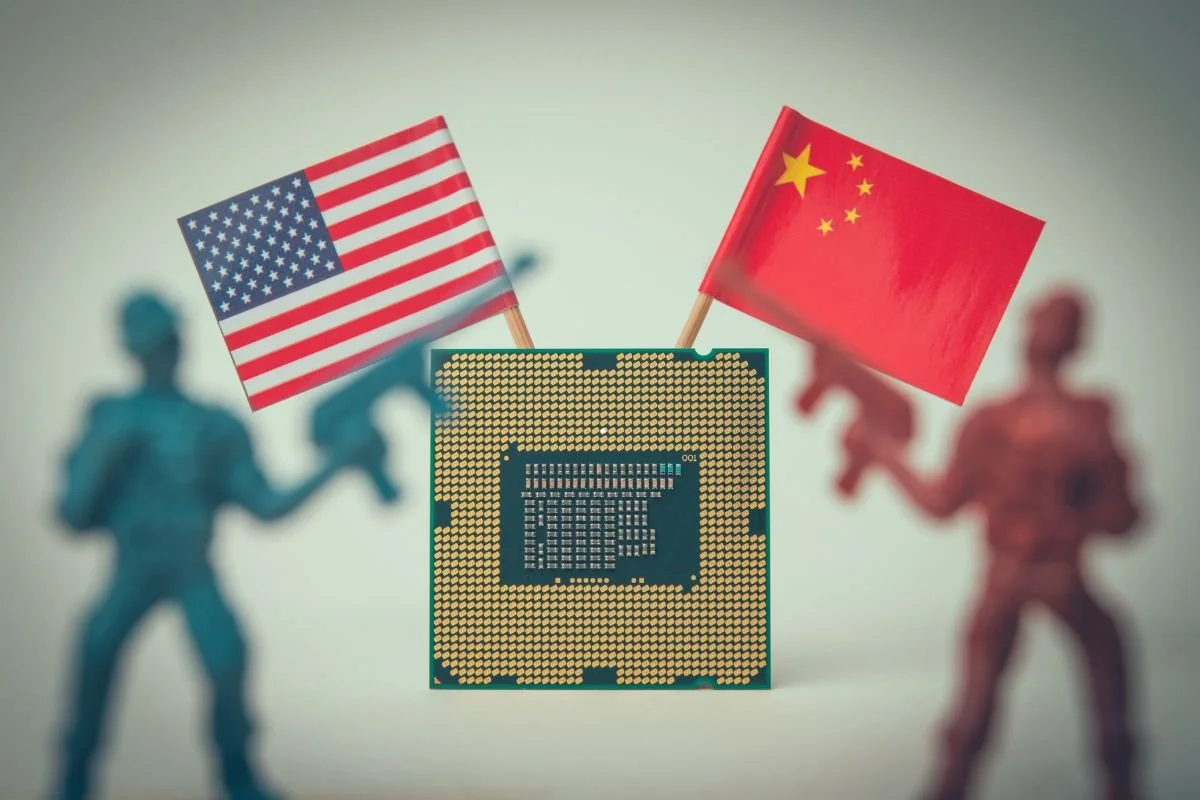
The U.S. vs. China AI Race: Who’s Winning, Where China Is Catching Up, and Why It Matters
The U.S. and China are competing across AI models, chips, cloud infrastructure, talent, regulation, military use, and industrial strategy. This article explains what the AI race is really about, where each country leads, and why the outcome matters globally.
Microsoft Copilot Explained: How Microsoft Embedded AI Into Everything
Microsoft’s AI strategy is built around Copilot, OpenAI, Azure, GitHub, Windows, Microsoft 365, and enterprise software. This article explains how Microsoft is embedding AI into work tools and why its distribution advantage matters.