AI Tech Basics: A Simple Look Under the Hood
Treat AI 101 as your orientation session with AI. No math, no coding, no “let’s start with the Turing test in 1950” lecture (unless you want that—then we’ve got a history article for you).
Here, you’ll:
Get a clear, human explanation of what AI is and how it works at a high level
See where AI is already hiding in your everyday life
Understand why AI suddenly feels like it’s everywhere
Learn what AI can’t do—no matter how flashy the demo looks
Get a realistic view of what this means for your job and your future
Once you finish AI 101, you can choose your next lane:
Tech Basics (how it works under the hood), Everyday AI (where it shows up in your life), or The Future of AI (where this is all headed).
AI is only as smart as the data it learns from. From training massive machine learning models to fine-tuning AI for specific tasks, data is the foundation of artificial intelligence. But how does AI learn from data, and what makes some models more accurate than others?
Deep learning is a type of machine learning that uses layered neural networks to learn complex patterns at scale. This guide explains what deep learning is, why it matters, and where it powers modern AI.
Large language models (LLMs) generate human-like text by predicting patterns in language at scale. This guide explains what LLMs are, how they work, and why they’re central to modern generative AI.
Computer vision is how AI interprets images and video, from face recognition to medical scans to self-driving features. This guide explains how vision models work and what they struggle with.
Predictive AI uses historical data to estimate what’s likely to happen next, from demand forecasting to fraud detection. This guide explains predictive models in plain English and how they’re used in business and everyday products.
Conversational AI powers chatbots and assistants by combining language models, context handling, and dialogue patterns. This article explains how conversational AI works and why it feels human even when it isn’t.
Generative AI creates new content like text, images, and audio by learning patterns from large datasets. This article explains how generative AI works, what makes it powerful, and what makes it risky.
A prompt is the instruction you give an AI model, and the quality of your prompt shapes the quality of your output. This guide explains what prompts are, how to write them well, and why prompting is really about clarity.
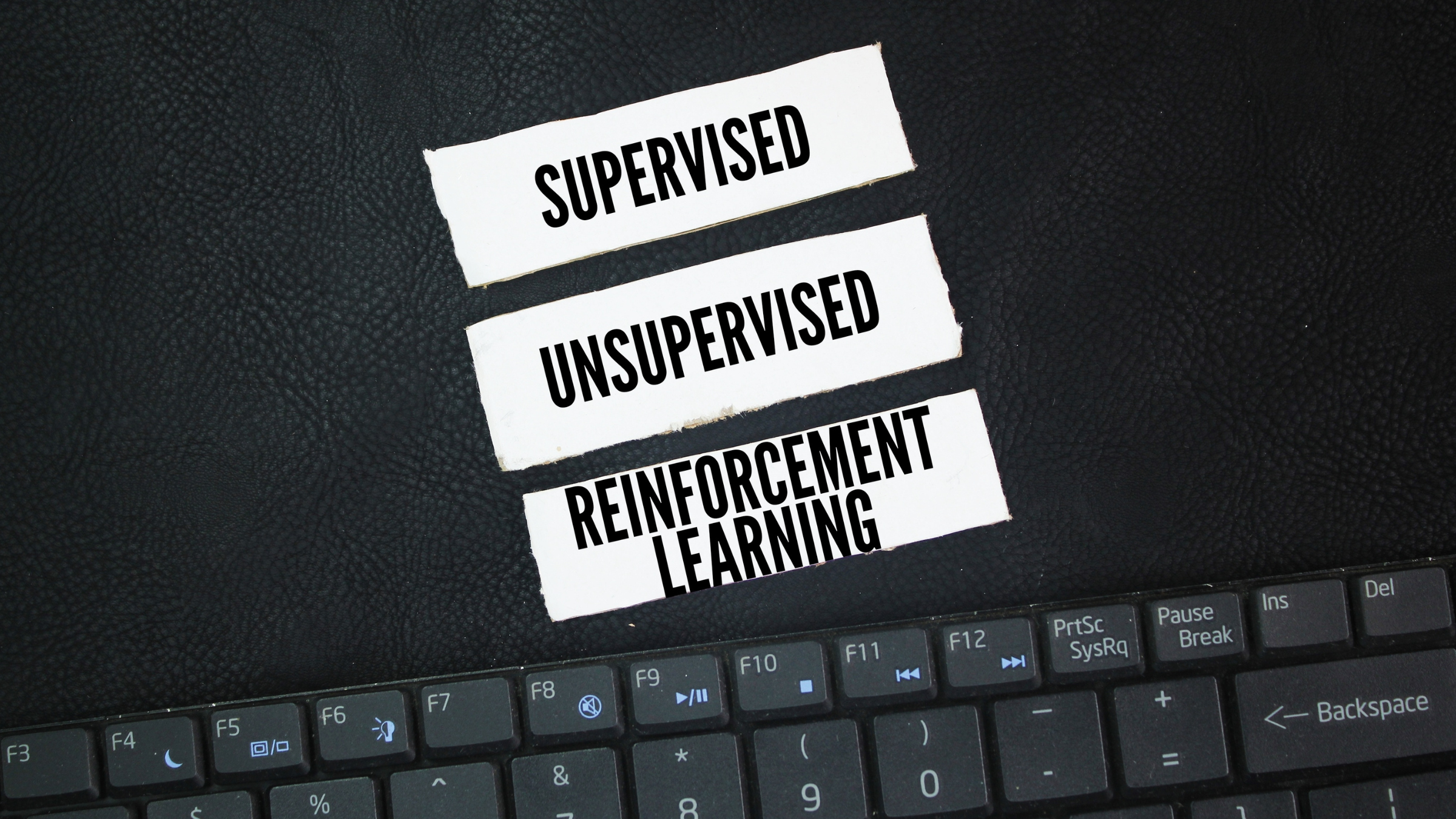
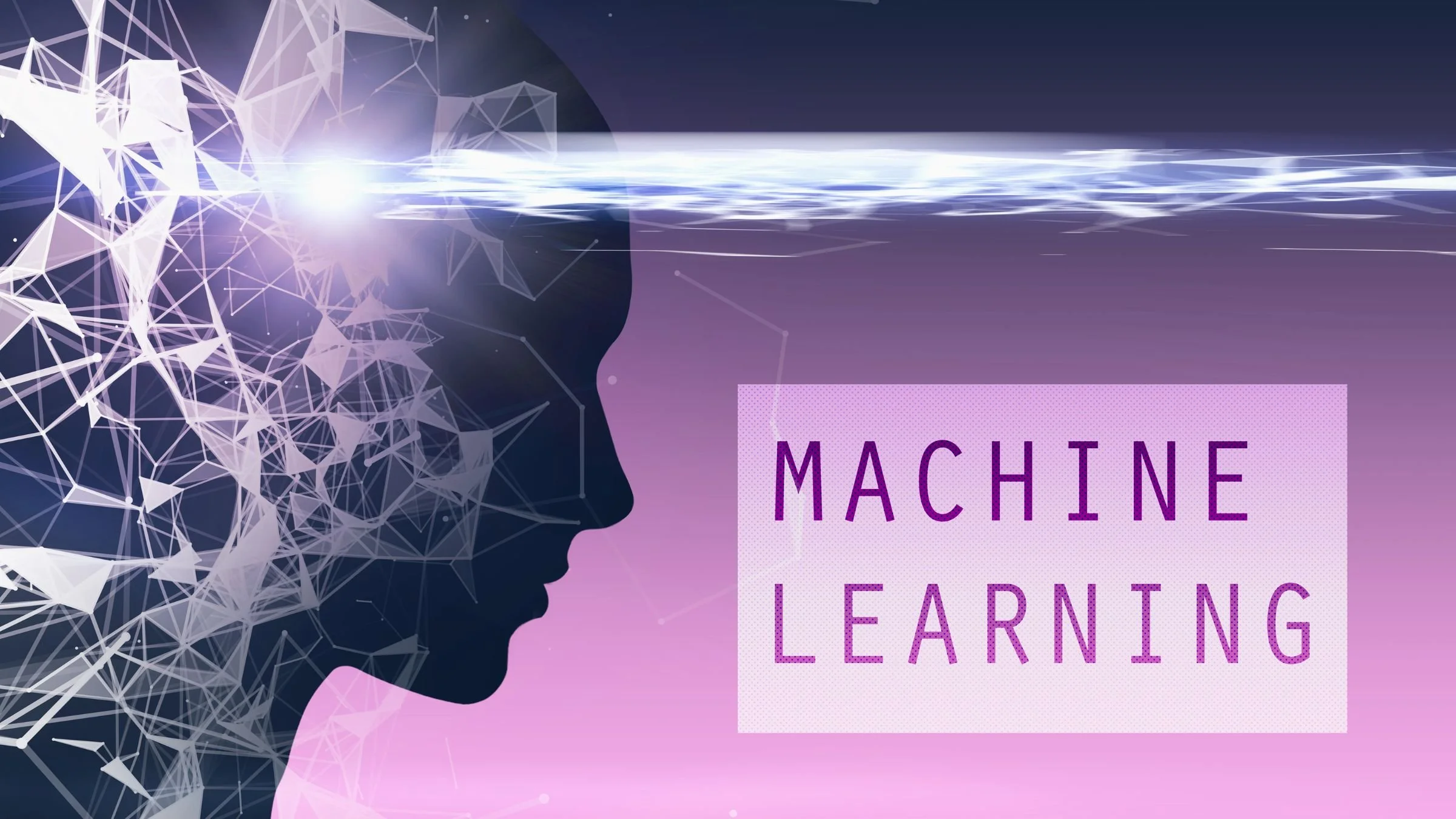
Machine learning is the backbone of modern AI, enabling systems to learn from data, adapt, and improve over time, without being explicitly programmed. But how does it actually work?
AI models are the brains behind artificial intelligence, powering everything from chatbots and recommendation systems to image recognition and self-driving cars. But what exactly is an AI model, and how does it work?
Natural language processing (NLP) is how AI works with text and speech, from translation to chatbots to summarization. This guide explains NLP basics and what it can and can’t do well.
Neural networks are the secret sauce behind AI’s ability to recognize patterns, generate text, and even "think" like humans. But how do neural networks actually work, and why are they so powerful?
AI didn’t start with ChatGPT. This timeline outlines the major milestones, from early theory and expert systems to deep learning breakthroughs and the generative AI era.
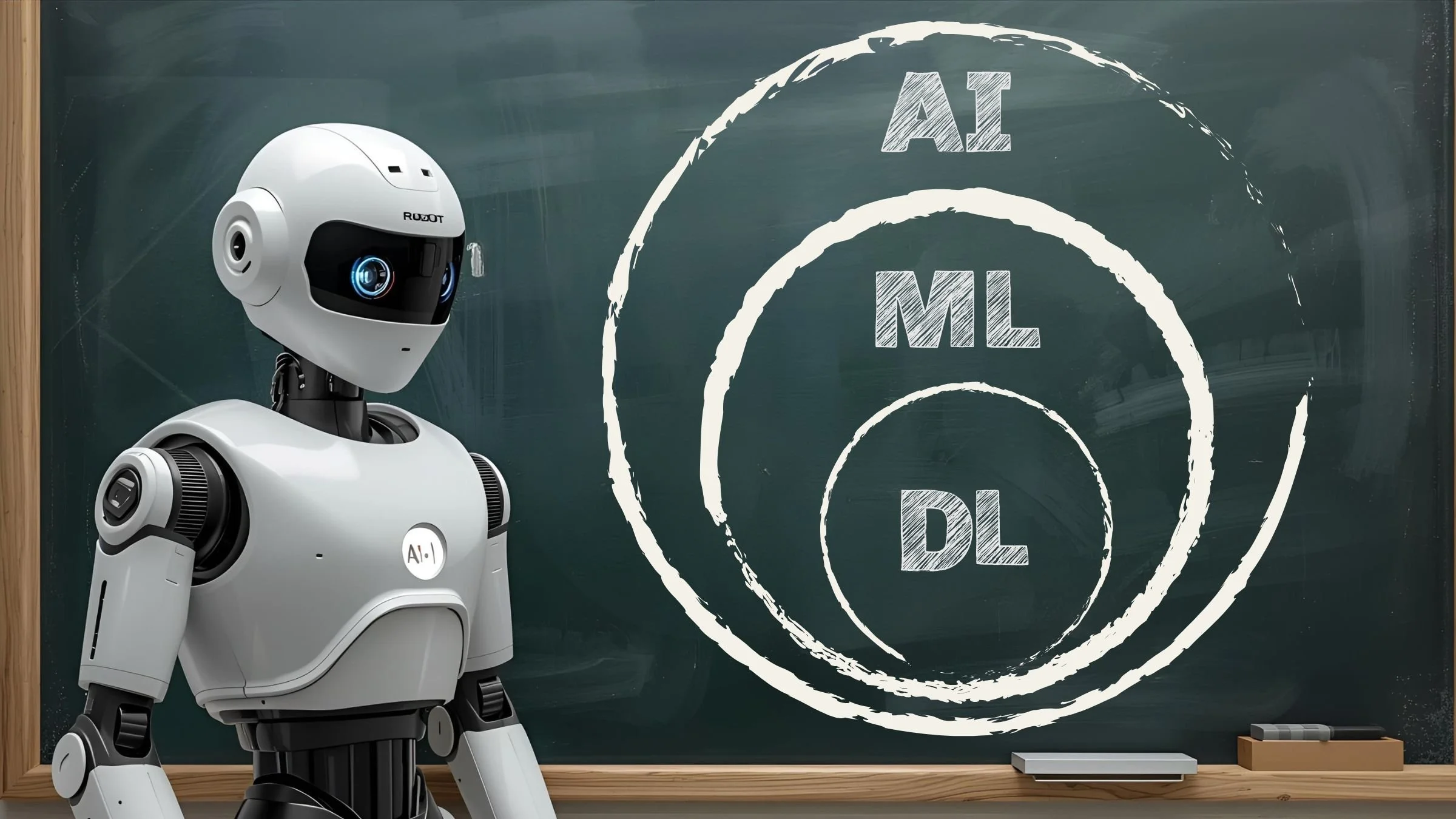
AI, machine learning, and deep learning are often used interchangeably, but they’re not the same. But what sets them apart, and how do they work together?