

What Is an AI Assistant? Chatbots, Copilots, and Agents Explained
AI assistants can answer questions, help with tasks, summarize information, draft content, and connect to tools. This article explains the difference between chatbots, copilots, and agents in beginner-friendly language.
What Is a Chatbot? The Beginner’s Guide to AI Conversations
Chatbots are one of the most familiar ways people interact with AI. This article explains what chatbots are, how they work, what makes AI chatbots different, and where they show up in everyday life.
What Makes AI Different From Google Search?
AI tools and Google Search both help people find information, but they work differently. This article explains how search engines retrieve links while AI systems generate, summarize, reason, and respond conversationally.
The Difference Between AI, Automation, Algorithms, and Software
AI, automation, algorithms, and software are related, but they are not the same thing. This article explains the differences in plain English so readers can understand what makes AI distinct from older technology.
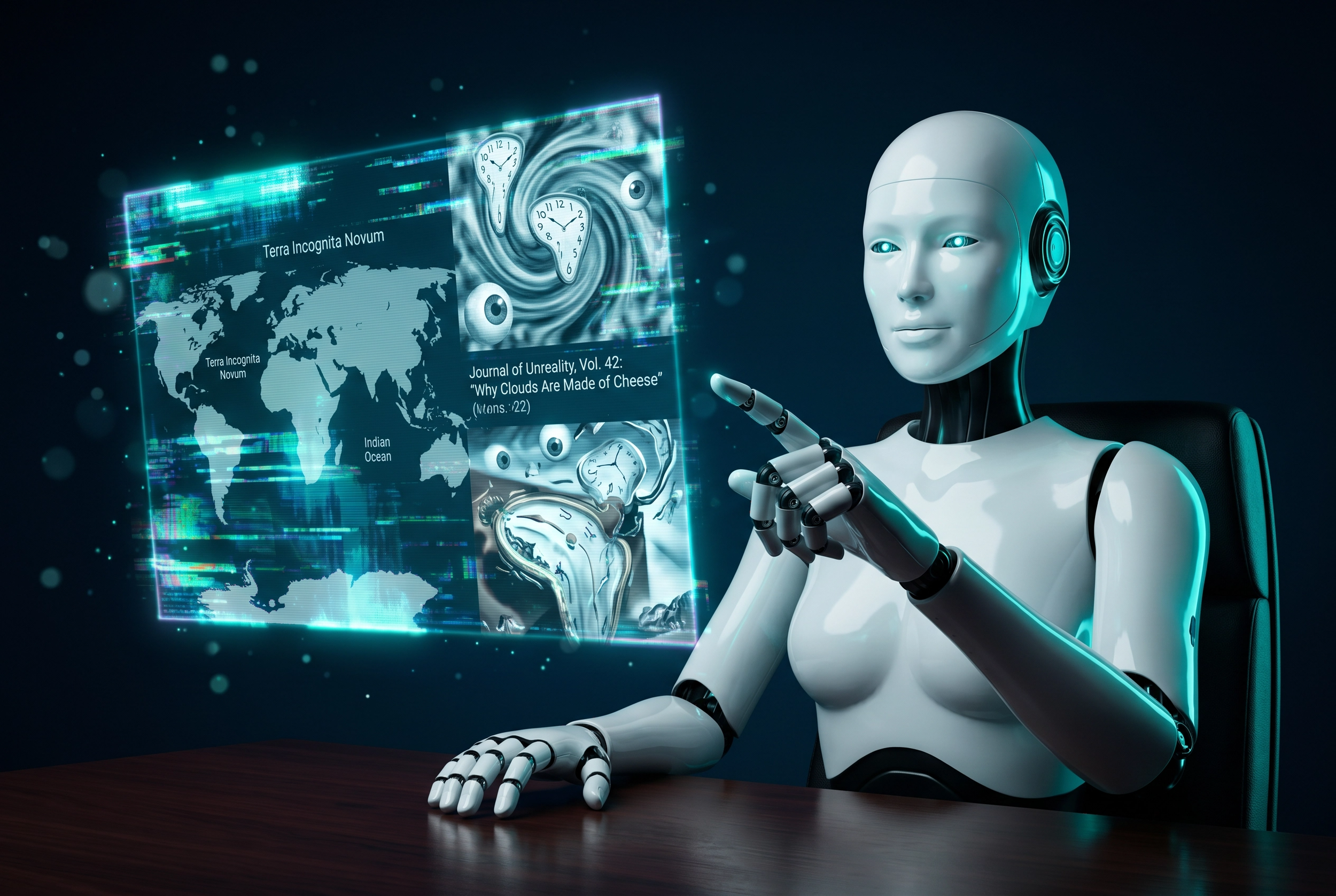
AI Hallucinations: Why AI Makes Things Up and What to Do About It
AI hallucinations happen when AI produces incorrect or unsupported information with confidence. This article explains why hallucinations happen, why they matter, and how users can spot, reduce, and fact-check them.
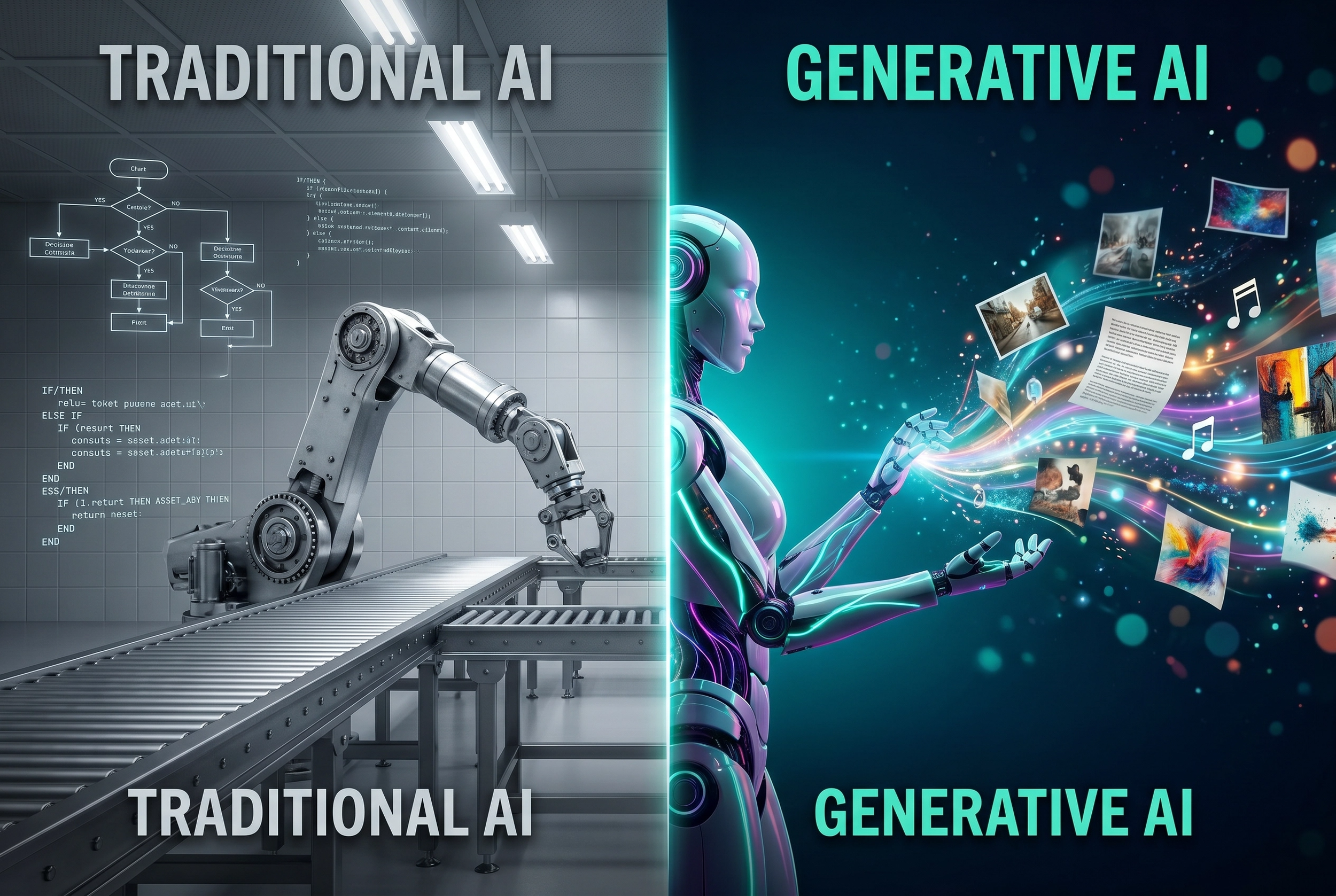
Generative AI vs. Traditional AI: What’s the Difference?
Traditional AI and generative AI are related, but they do different things. This article explains how traditional AI analyzes, predicts, and classifies, while generative AI creates text, images, code, audio, and more.
What AI Can Do: The Real Capabilities Behind the Hype
AI is powerful, but it’s not omniscient, consistent, or accountable. This article breaks down the real limitations of AI, including where it fails, why it hallucinates, and what it can’t reliably do.

What Is an AI Context Window? Understanding AI’s Short-Term Memory
GPT stands for Generative Pre-trained Transformer. Learn what each part of this powerful acronym means and why it’s the engine behind the current AI revolution.
What Does the "GPT" in ChatGPT Actually Mean?
GPT stands for Generative Pre-trained Transformer. Learn what each part of this powerful acronym means and why it’s the engine behind the current AI revolution.
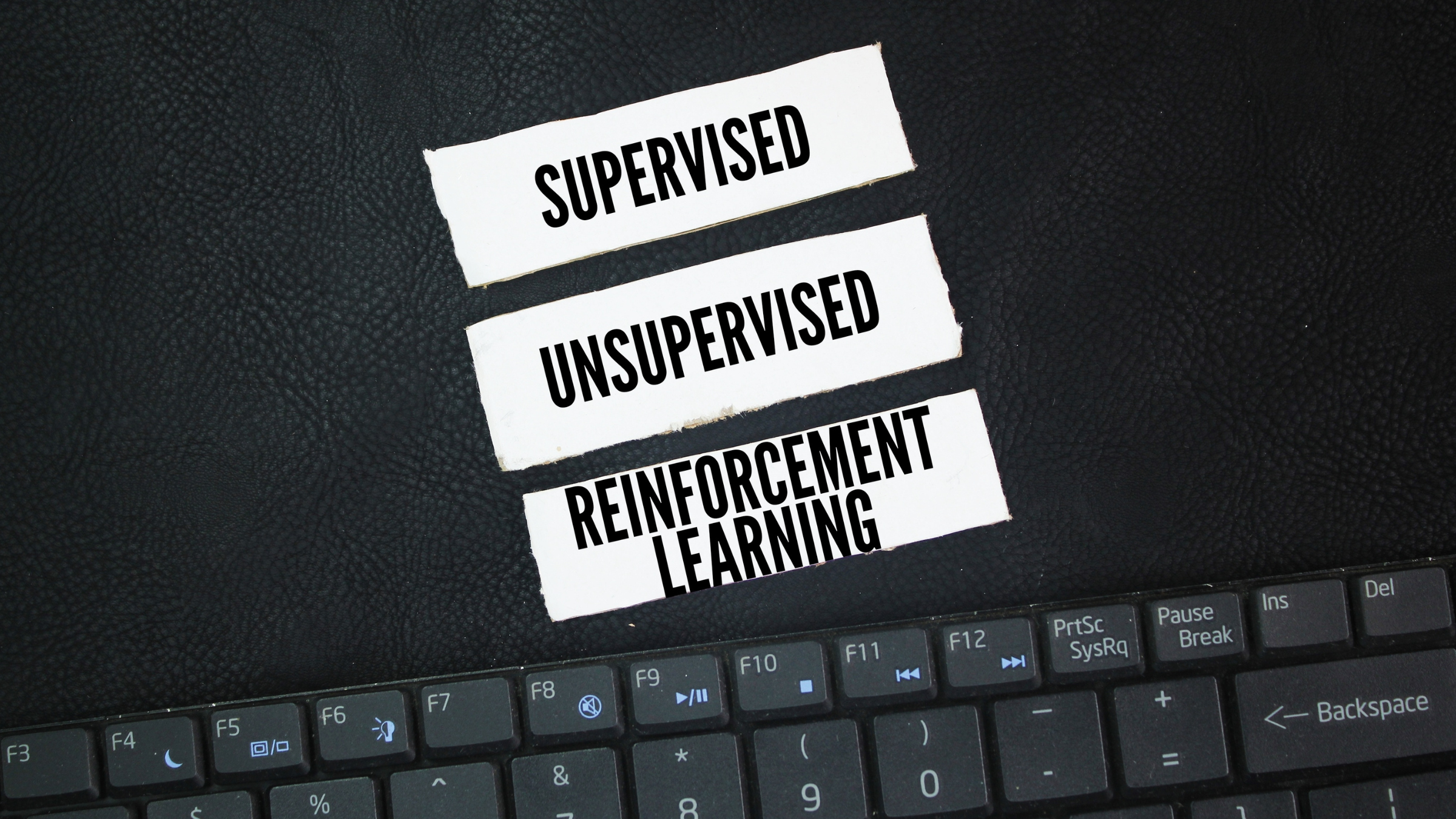
The 3 Ways AI Learns: Supervised, Unsupervised & Reinforcement Learning
Explore the three core machine learning paradigms: Supervised Learning (from labeled data), Unsupervised Learning (finding patterns), and Reinforcement Learning (trial and error).

The Role of Data in Artificial Intelligence
AI is only as smart as the data it learns from. From training massive machine learning models to fine-tuning AI for specific tasks, data is the foundation of artificial intelligence. But how does AI learn from data, and what makes some models more accurate than others?
What’s an AI Agent? Beyond Just Chatbots
AI models are the brains behind artificial intelligence, powering everything from chatbots and recommendation systems to image recognition and self-driving cars. But what exactly is an AI model, and how does it work?

What is Computer Vision AI? How Machines See and Understand Images
Computer vision is how AI interprets images and video, from face recognition to medical scans to self-driving features. This guide explains how vision models work and what they struggle with.
What is Predictive AI? Using Data to Forecast the Future
Predictive AI uses historical data to estimate what’s likely to happen next, from demand forecasting to fraud detection. This guide explains predictive models in plain English and how they’re used in business and everyday products.
What is Conversational AI? How Chatbots and Virtual Assistants Understand You
Conversational AI powers chatbots and assistants by combining language models, context handling, and dialogue patterns. This article explains how conversational AI works and why it feels human even when it isn’t.

What is Generative AI? Creating Content with Artificial Intelligence
Generative AI creates new content like text, images, and audio by learning patterns from large datasets. This article explains how generative AI works, what makes it powerful, and what makes it risky.

What Is a Large Language Model? The Plain-English Explanation
Large language models (LLMs) generate human-like text by predicting patterns in language at scale. This guide explains what LLMs are, how they work, and why they’re central to modern generative AI.
Deep Learning Explained: How AI Gets Smarter Through Layers of Learning
Deep learning is a type of machine learning that uses layered neural networks to learn complex patterns at scale. This guide explains what deep learning is, why it matters, and where it powers modern AI.

Is AI Taking Over the World? Dispelling the Common Myths & Misconceptions About AI
AI fears spread fast because they’re entertaining and because the tech is genuinely powerful. This article separates real AI risks from movie myths so you can think clearly instead of panicking.
What AI Still Can't Do: Understanding Its Real Limitations
AI is powerful, but it’s not omniscient, consistent, or accountable. This article breaks down the real limitations of AI, including where it fails, why it hallucinates, and what it can’t reliably do.