

How to Evaluate AI Tools as a User or Buyer
A practical guide for users and buyers on how to evaluate AI tools. Learn the key criteria, questions to ask vendors, and red flags to watch for before you buy.
Corporate AI Governance and Accountability: Internal Frameworks, Audits, and Liability
Explore the global AI governance landscape, from the EU AI Act to the divergent approaches of the US and China, and the challenge of regulating a technology that outpaces law.
AI Governance & Regulation: The Global AI Policy Landscape and the Challenges
Explore the global AI governance landscape, from the EU AI Act to the divergent approaches of the US and China, and the challenge of regulating a technology that outpaces law.
AI, Democracy & Geopolitics: Propaganda, Power, and the New Arms Race
Explore how AI is fueling a new geopolitical arms race, threatening democratic institutions with propaganda and disinformation, and reshaping global power dynamics.
The Environmental Cost of AI: Energy, Water, and the Carbon Footprint of Training Large Models
Uncover the hidden environmental impact of artificial intelligence, from the massive energy and water consumption of data centers to the growing crisis of AI-driven e-waste.
AI, Work & Labor: Automation, Exploitation, and Who Gets Augmented vs Replaced
Learn how AI is concentrating power in the hands of a few tech giants through data monopolies, the compute gap, and a talent flywheel, and what it means for the future.
Concentration of Power: Big Tech, Data Monopolies, and the Compute Gap
Learn how AI is concentrating power in the hands of a few tech giants through data monopolies, the compute gap, and a talent flywheel, and what it means for the future.
AI & Misinformation: Deepfakes, Bots, and the Information War
Discover how AI is supercharging surveillance in both the physical and digital worlds, from facial recognition and smart cameras to data brokers and inferential tracking.
AI, Surveillance & Privacy: From Smart Cameras to Data Brokers
Discover how AI is supercharging surveillance in both the physical and digital worlds, from facial recognition and smart cameras to data brokers and inferential tracking.
AI in High-Stakes Decisions: Hiring, Policing, Lending, and Beyond
An exploration of how AI is used in high-stakes decisions that shape lives, from hiring and policing to lending and healthcare. Learn the risks and what's at stake.
Algorithmic Bias & Discrimination: When Models Pick Winners and Losers
A deep dive into algorithmic bias and discrimination. Learn where bias comes from (data, models, humans) and how it leads to real-world harm in hiring, lending, and more.
From Individual Harm to Systemic Risk: How AI Ethics Scales
Learn how small, individual AI harms can scale into major systemic risks through aggregation, feedback loops, and homogenization. A critical concept in AI ethics.
How AI Goes Wrong: Data, Models, and Deployment Failures
Discover the three main failure points of AI systems. This guide explains how bad data, flawed models, and poor deployment lead to real-world AI harms.
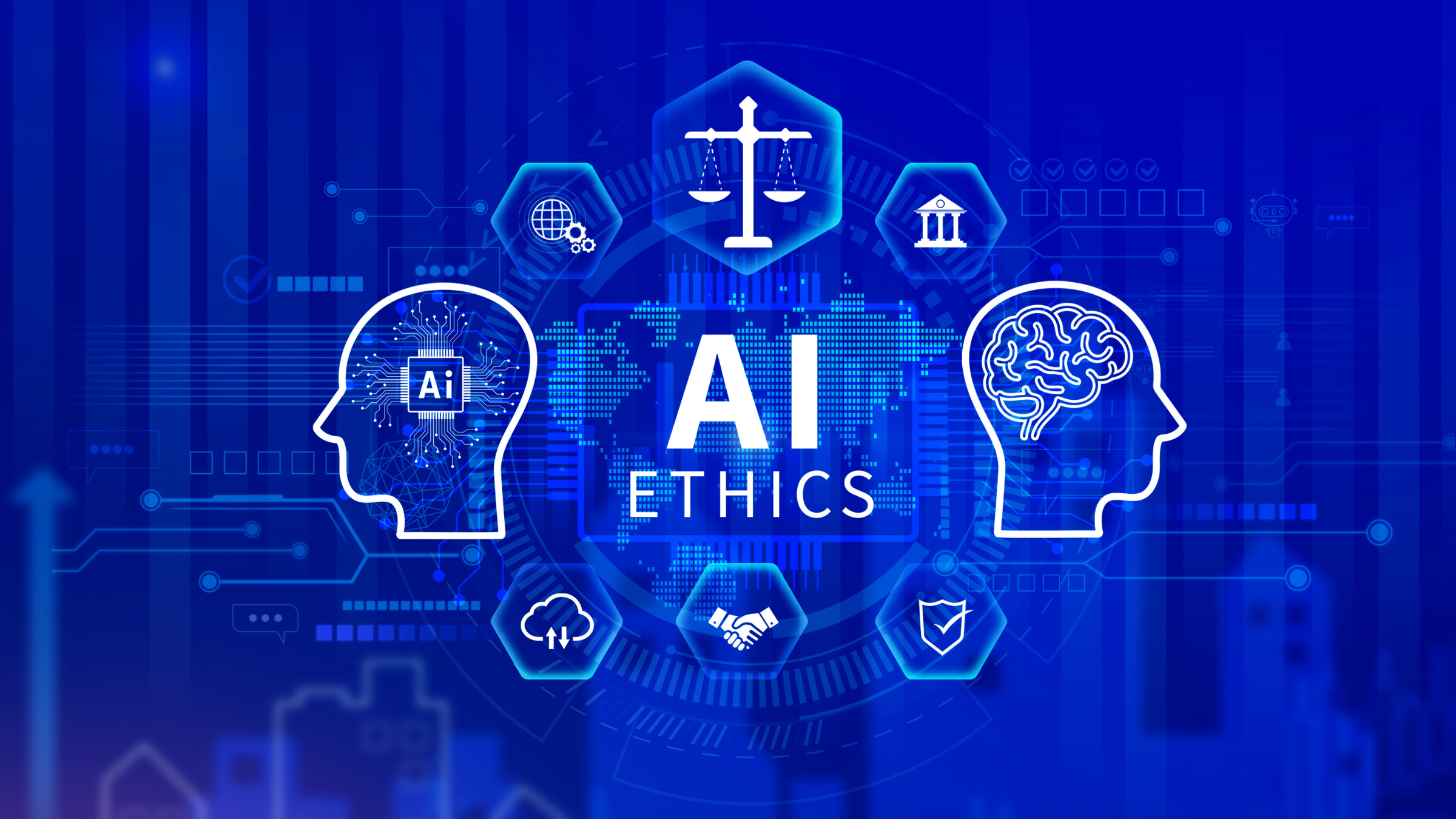
AI Ethics & Risks 101: The Landscape of AI Harms
Explore the landscape of AI harms, from individual and group harms like bias and discrimination to societal risks like misinformation and erosion of trust. A plain-language guide.
What Do We Mean by “AI Ethics”? A Plain-Language Guide
GPT stands for Generative Pre-trained Transformer. Learn what each part of this powerful acronym means and why it’s the engine behind the current AI revolution.


The Rise of AI Surveillance: How AI Will Affect Privacy and Freedom
AI surveillance is rapidly growing, offering benefits like enhanced security and crime prevention, but also raising significant concerns about privacy, freedom, and potential misuse.

The Ethical Dilemmas of AI: Can We Control the Future We’re Creating?
As AI continues to evolve, it brings both immense opportunities and significant ethical challenges. This article explores the key ethical dilemmas, including accountability, privacy, and the potential for AI to either enhance or undermine human freedoms. It raises important questions about how we can control AI’s development to ensure it serves humanity responsibly.
How Bias Creeps Into AI: The Hidden Problem in AI Training Data
AI is supposed to be objective, but bias can sneak in through the very data it learns from—shaping everything from hiring decisions to criminal justice outcomes. When AI models are trained on biased datasets, they can reinforce and even amplify existing inequalities.